Rédaction Africa Links 24 with Andrew Shennan, Professor of Obstetrics at King’s College London and chair of the FIGO Preterm Birth Committee (2012-23)., King’s College London
Published on 2024-02-21 13:13:43
In 2020, a baby died every 40 seconds due to complications of prematurity worldwide. Preterm birth is the leading cause of death among children under 5 years old. The burden of preterm birth is greater in low- and middle-income countries, where around 80% occur. The countries with the highest recorded preterm rates in Africa are Malawi, South Africa, Ethiopia, the Democratic Republic of Congo, and Botswana. In Ethiopia, 12.9% of babies were born preterm in 2020, while in Nigeria the figure was 9.9%.
Preterm birth occurs when a baby is born before 37 weeks’ gestation. Preterm babies are at a higher risk of severe neurological problems, such as cerebral palsy, poor lung function, and long-term gut issues. However, around 95% of babies born preterm are born after 28 weeks and often survive with relatively less complex medical interventions.
Given the scale of the problem, the preterm birth committee of the International Federation of Gynaecology and Obstetrics selected five key interventions known to save lives. The interventions are as follows:
1. Giving a course of steroids before the baby is born to trigger changes in the baby’s lungs and reduce the risk of brain bleeds, bowel complications, and death.
2. Administering magnesium sulfate to stabilize cell membranes and protect neurons in the baby.
3. Implementing delayed cord clamping for at least a minute postnatally at delivery.
4. Encouraging breastfeeding within one hour of delivery.
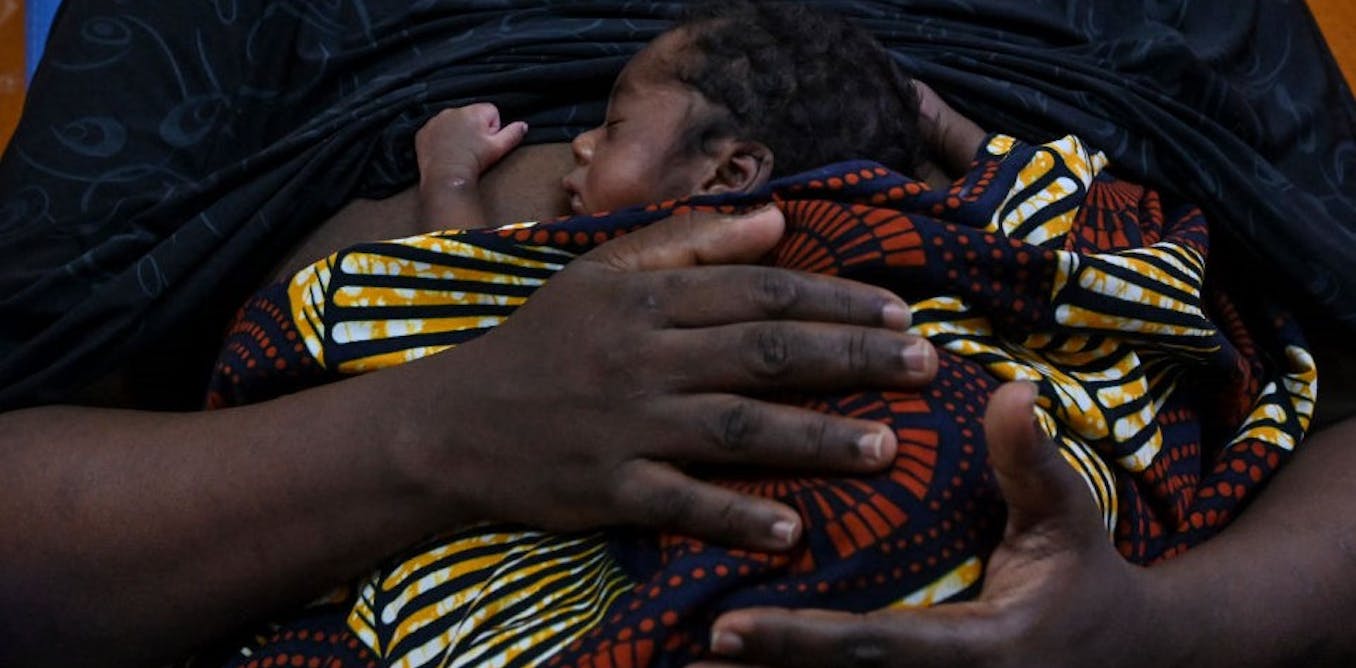
5. Promoting immediate “kangaroo care” where the baby is placed skin-to-skin on the chest of its mother or another family member for extended periods of time.
All these interventions have been effective in low- and middle-income settings, but there has been no coordinated effort to make them better known worldwide. The FIGO PremPrep-5 initiative provides initial training to national obstetrics and gynaecology societies using multimedia and other training methods to help professionals pass on the skills to others.
These interventions have the potential to significantly reduce the number of premature baby deaths and improve outcomes for preterm infants globally.


